What NAD+ does in your body
NAD+ is a coenzyme found in every cell. It is essential for the mitochondrial electron transport chain (energy production) and for the activity of sirtuins and PARPs (DNA repair, gene expression regulation). Tissue NAD+ levels decline with age in animal and human studies, and this decline is associated with mitochondrial dysfunction and cellular aging biology.
Therapy formats
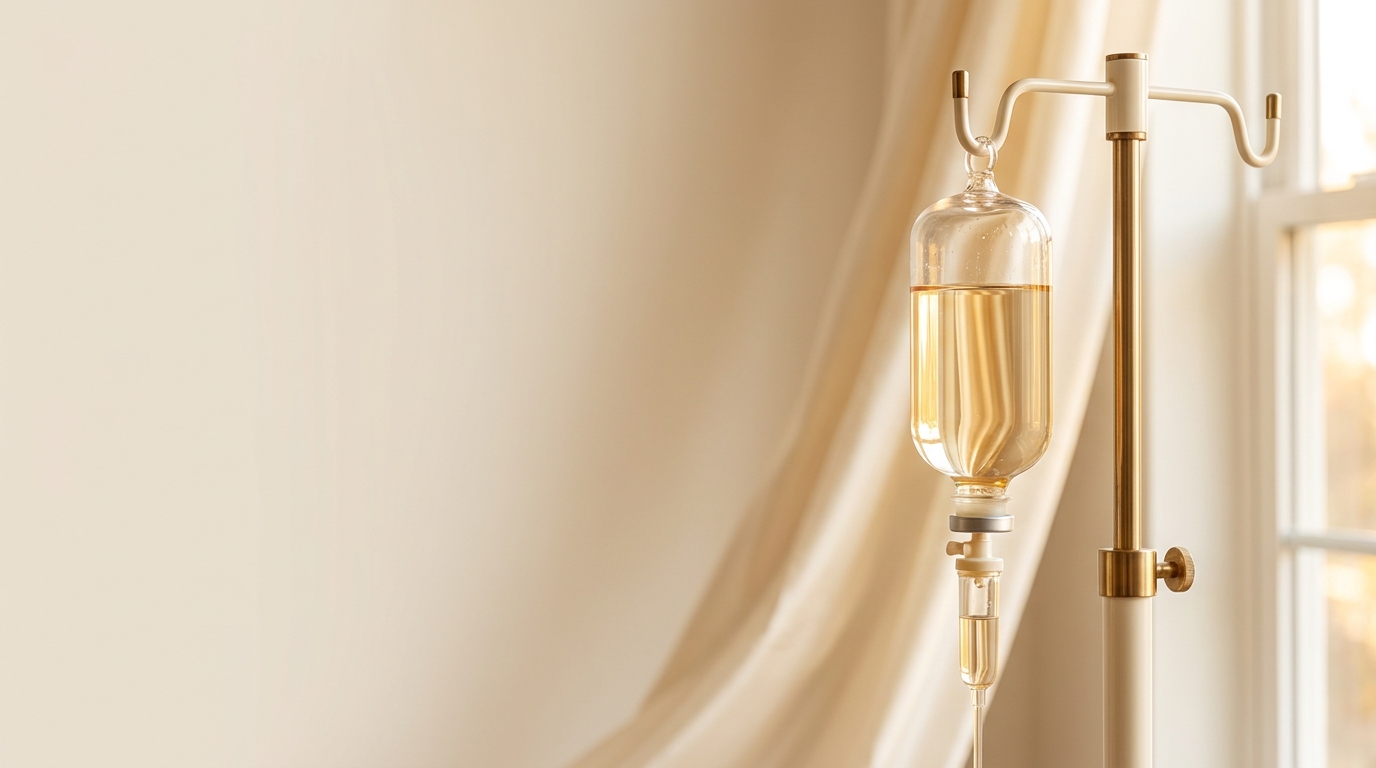
NAD+ therapy is delivered in three main formats: IV infusion (250 to 1,000 mg over hours), subcutaneous injection (lower dose, more frequent), or oral precursors (NMN, NR, niacinamide). The bioavailability of oral precursors is well-established; the bioavailability and tissue uptake of IV/SC NAD+ itself is more contested.
Format comparison
| Dose route | Frequency | Evidence | Practical notes | |
|---|---|---|---|---|
| IV NAD+ | Slow infusion 2-4 hours | Episodic | Anecdotal + small studies | Time-intensive; chest tightness common at high rates |
| SC NAD+ injection | Self-administered | 2-3x weekly | Anecdotal + emerging | More practical; smaller dose |
| Oral NMN / NR | Oral capsule | Daily | Moderate (NR studies) | Cost-effective baseline support |
What the science currently supports
Oral NR (nicotinamide riboside) has been shown to raise blood NAD+ levels in human RCTs, with some functional outcomes (cardiovascular, metabolic) reported in smaller trials. IV and SC NAD+ have far less RCT data; most reports are anecdotal or small case series. NAD+ for hangover, addiction recovery, or 'reverse aging' claims do not have RCT support.