Regenerative Anti-Aging
Cellular support for skin radiance and tone.
BPC-157 + TB-500GHK-Cu Peptide
Peptide therapy · 503A compounded
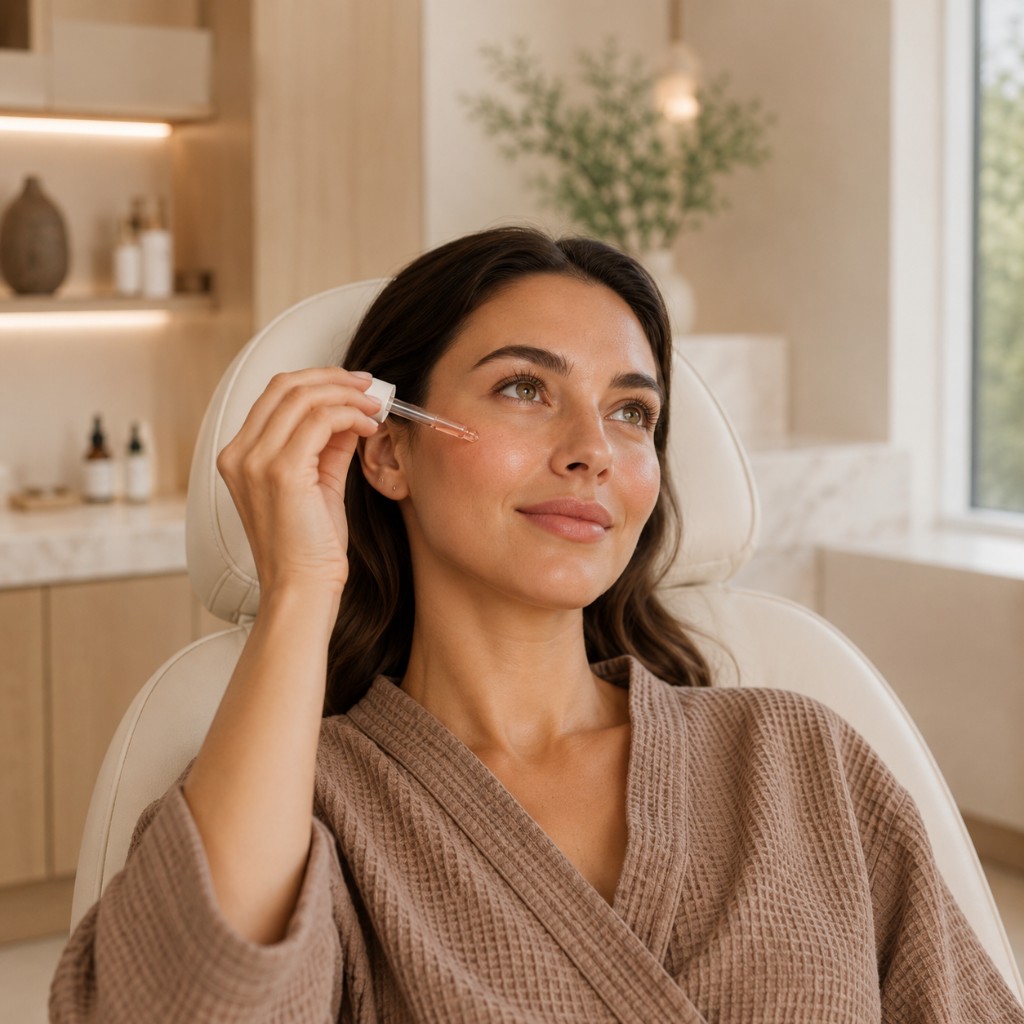
GHK-Cu (glycyl-L-histidyl-L-lysine copper complex) is one of the more interesting molecules in regenerative medicine, a naturally occurring tripeptide that declines measurably with age and has demonstrated meaningful effects on fibroblast activity, collagen synthesis, and gene expression in human tissue studies. Unlike many compounds in the longevity space, GHK-Cu has a credible topical evidence base. Its compounded injectable form is less studied and requires a more conservative interpretation.
What it is
GHK-Cu is a tripeptide composed of glycine, histidine, and lysine, bound to a copper(II) ion. It is produced naturally in human plasma, saliva, and urine, and its levels decline significantly with age, from approximately 200 ng/mL in young adults to around 80 ng/mL by age 60.
In cosmetic dermatology, copper tripeptide-1 (the INCI name) has been used in topical creams and serums for decades. Compounded injectable GHK-Cu represents a more recent application with a smaller evidence base. Genesis Longevity offers both routes, with honest guidance about where the evidence is stronger.
How it works
Collagen and elastin synthesis. GHK-Cu stimulates fibroblast production of collagen types I and III and elastin, two structural proteins that decline with age and UV exposure. It also modulates matrix metalloproteinases (MMPs), shifting the balance toward net collagen preservation.
Antioxidant and anti-inflammatory activity. GHK-Cu upregulates antioxidant enzymes (superoxide dismutase, catalase) and reduces pro-inflammatory cytokines, which may explain its observed wound-healing effects.
Angiogenesis support. GHK-Cu promotes new blood vessel formation via VEGF and FGF-2 upregulation, which may improve nutrient and oxygen delivery to skin and healing tissues.
Gene expression modulation. Research by Pickart et al. documented GHK-Cu's capacity to shift gene expression in skin and other tissues toward a more regenerative pattern, including genes involved in wound healing, DNA repair, and anti-aging biology.
Conditions and use cases
Expected timeline
Week 0 to 2
Tolerability window
Topical: hydration improvement signals begin. Injectable: site reactions are the most common early effect.
Week 2 to 4
Early texture change
Topical: early texture improvement reported. Injectable: no validated clinical timeline.
Month 1 to 3
Topical firmness gains
Topical: improved firmness and reduction in fine line appearance, more even tone.
Month 3 to 6
Maintenance phase
Continued topical use sustains gains. Injectable cycles often run 30 days on, 15 to 30 days off.
Stacks that include this therapy
Cellular support for skin radiance and tone.
Cellular support for skin radiance and tone.
Investment and access
Genesis Longevity therapies are dispensed only after a complimentary consultation and Good Faith Exam. Schedule yours to receive a personalized plan tailored to your biology and goals.
Side effects
Topical. Mild skin irritation, redness, or itching, particularly at higher concentrations. Contact dermatitis is uncommon.
Compounded injectable. Injection site reactions including redness and induration. Theoretical copper toxicity (nausea, abdominal pain) at excessive or prolonged doses, unlikely at standard compounded doses but monitored via serum copper.
Contraindications
Wilson disease or other copper metabolism disorders. Risk of copper accumulation.
Pregnancy and breastfeeding. Insufficient safety data.
Active malignancy. Theoretical concern given GHK-Cu's angiogenic properties.
Known copper allergy (topical and injectable).
Pairs well with
Cellular energy, cognitive function, and systemic antiaging support.
Tissue repair, inflammation reduction, and gut lining integrity.
Antioxidant and detoxification support.
Frequently asked
No. GHK-Cu is recognized as a cosmetic ingredient for topical use. Compounded injectable forms are 503A preparations, not FDA-approved drugs, and lack large human RCTs establishing clinical efficacy.
Topical GHK-Cu has the strongest evidence base in humans, particularly for skin texture, firmness, and fine lines. Injectable use is more speculative, primarily supported by preclinical data, and is appropriate only for patients who understand and accept that limitation.
At standard topical doses, copper overload is very unlikely. With prolonged compounded injection use, monitoring serum copper and ceruloplasmin is reasonable precaution, especially in patients with any liver concern.
GHK-Cu targets fibroblast collagen synthesis and MMP modulation. Other skin peptides such as Matrixyl/palmitoyl tripeptide-1 target similar pathways with different mechanisms. GHK-Cu has stronger human cosmetic data than most competing peptide ingredients.
Topical GHK-Cu is generally compatible with most cosmetic actives. Some sources suggest not layering it directly with high-concentration vitamin C on the same application (copper may interact with oxidized ascorbic acid), though this concern is modest at cosmetic concentrations. Your provider or aesthetician can advise on sequencing.
Topical: 0.05 to 2 percent copper tripeptide-1 in cream or serum, applied once or twice daily. Compounded injectable: typically 1 to 2 mg subcutaneous daily or 3 to 5 days per week, often cycled (30 days on, 15 to 30 days off).
Sources
Status & disclosures
Next step
Schedule a consultation. Physician-led, evidence-graded.
Or keep reading: See the Skin Longevity & Glow stack